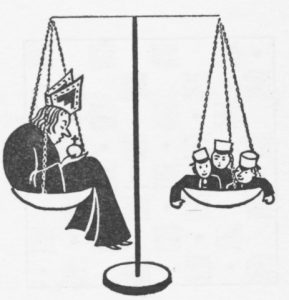
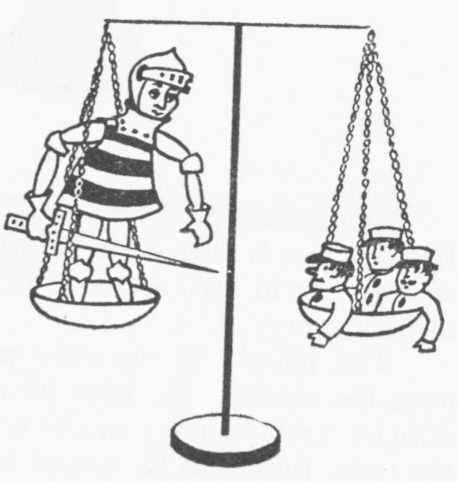
Although they are each worth 3 pawns in the Chess world, here are some pro’s and con’s to think about.
| Good in the opening and middle game | Good in the endgame when less pieces on the board |
| Slow movements, needs to stop for Hay! | Fast on open diagonals, but needs space, can get blocked in. |
| Jumps over pieces, best in middle of board | A Bishop pair is better in the endgame |
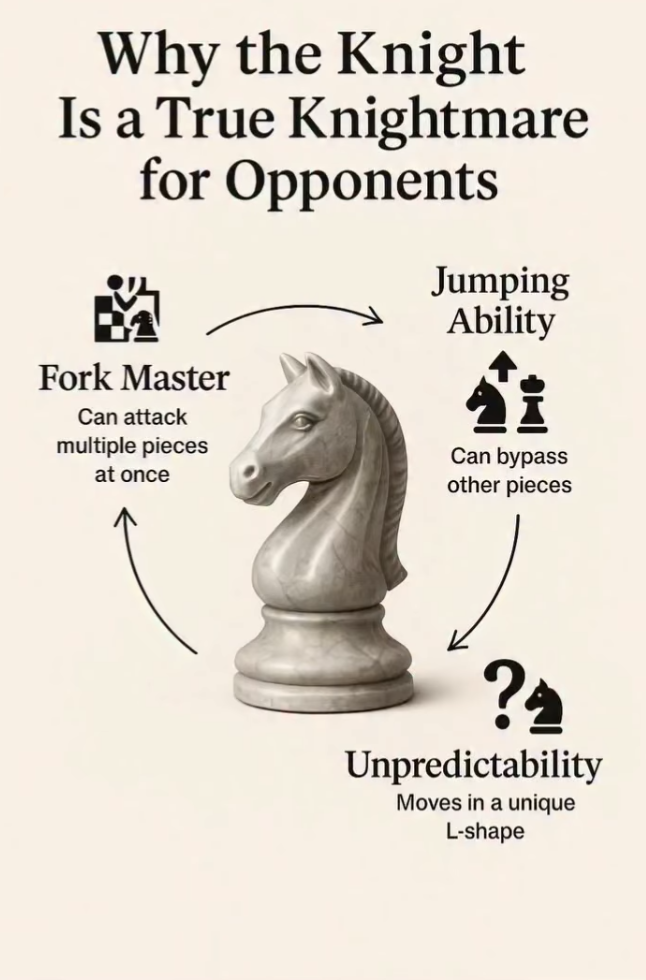
| Difficult to predict it’s movements | Easy to see where it can go |
| Super tricky with FORKS | Can help to create a battery with Queen |
| Not easy to stop advancing pawns | Can block a queening pawn |
| Can combine nicely with Rook or Queen in a checkmate | Opposite coloured Bishops can be draw-ish |
| Cannot be used as the checking piece in a discovered check | Can be used in a discovered check and in Windmill tactics |
| Covers all the squares | Covers only half the squares |
| Can’t create a Battery | Only trade bishop for knight if an advantage |
| Can get trapped / blocked by Bishop | Put your pieces on opposite coloured squares of your own Bishop |
| Trade for Bishop if opponents Bishop looks strong | If your opponent has only one Bishop, try to put all your remaining pieces on the opposite coloured square, |